Kakuro Puzzles for Creative Design Projects
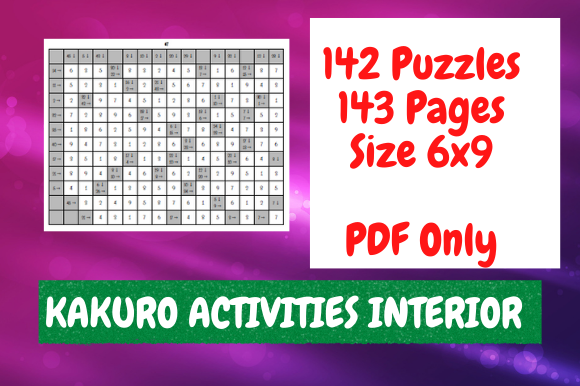
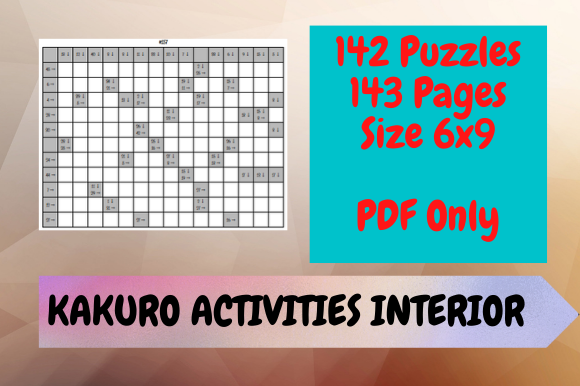
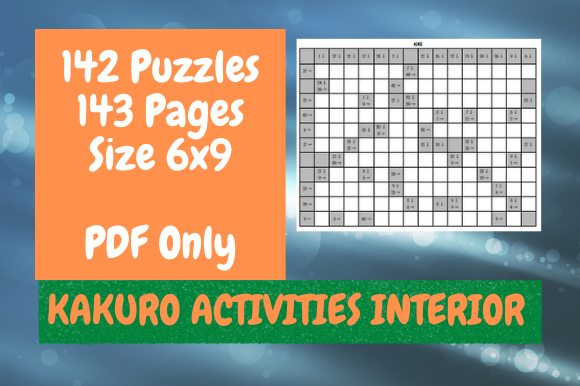
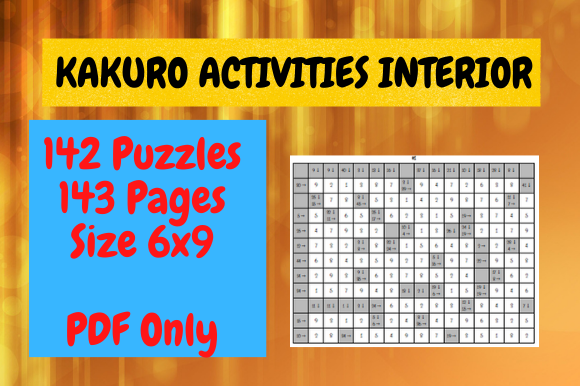
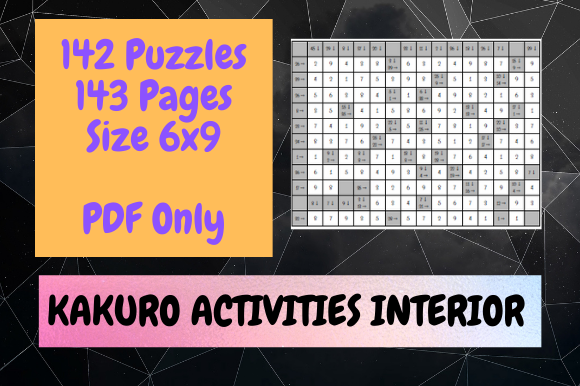
Imagine a versatile and engaging puzzle book that not only entertains but also enhances your design portfolio. The KDP 142 Kakuro Puzzles Activity Interior is a perfect example, offering 142 puzzles in a 6x9 inch format, ideal for both print and digital use.
As a graphic designer, integrating such creative assets into your projects can significantly boost their visual appeal and functionality. Whether you're working on branding, marketing materials, or digital products, the inclusion of puzzles like these can add a unique and interactive element to your designs.
Why Kakuro Puzzles Matter in Modern Graphic Design
In today's fast-paced digital world, capturing and maintaining user attention is more challenging than ever. Incorporating puzzles like those found in the KDP 142 Kakuro Puzzles Activity Interior can be a powerful tool for increasing engagement. These puzzles are not just a fun pastime; they can also serve as a strategic design element that enhances the overall user experience.
From a branding perspective, adding puzzles to your content can help reinforce your brand identity. By customizing the puzzles with your brand colors, logos, and messaging, you create a memorable and cohesive brand experience. This is particularly effective in marketing materials and social media campaigns where interactivity can make a significant impact.
Practical Applications in Design
- Branding and Logo Design: Integrate puzzles into your branding materials to create an engaging and interactive brand experience. Customized puzzles can help build brand recognition and loyalty.
- Marketing Materials: Use puzzles in brochures, flyers, and other promotional materials to engage your audience and make your message more memorable.
- Social Media Content: Share puzzles on social media platforms to increase interaction and shareability. This can help grow your online presence and reach a wider audience.
- Website and UI Design: Incorporate puzzles into your website or app to enhance user engagement. Interactive elements can improve the user experience and encourage users to spend more time on your platform.
- Editorial Layouts: Add puzzles to magazines, newsletters, and other editorial content to provide a break from reading and keep the audience engaged.
- Packaging Design: Use puzzles creatively in packaging to make your product stand out. This can be especially effective for children's products or educational tools.
- Advertising Campaigns: Include puzzles in your ads to make them more interactive and appealing. This can help in standing out in a crowded advertising landscape.
- Presentations: Use puzzles in presentations to break the monotony and keep the audience engaged. This can be particularly useful in educational or training sessions.
- Merchandise: Create branded merchandise with puzzles to offer a unique and engaging product. This can be a great way to generate additional revenue and promote your brand.
- Digital Products: Develop digital puzzle books or apps using the KDP 142 Kakuro Puzzles Activity Interior. This can be a valuable addition to your digital product lineup.
Tips for Effective Use in Design Projects
When incorporating puzzles into your design projects, consider the following tips to ensure they add value and enhance the overall design:
- Consistency: Maintain consistency with your brand's visual style. Use your brand colors, fonts, and imagery to create a seamless and cohesive look.
- Readability: Ensure that the puzzles are easy to read and solve. Clear and legible typography is crucial for a positive user experience.
- Scalability: Make sure the puzzles are scalable and can be used across different platforms and formats, from print to digital.
- Visual Hierarchy: Place puzzles strategically within your design to guide the viewer's eye and maintain a clear visual hierarchy. This helps in creating a balanced and organized layout.
- Audience Expectations: Understand your target audience and tailor the puzzles to their preferences and skill levels. This ensures that the puzzles are both enjoyable and challenging.
- Design Goals: Align the use of puzzles with your design goals. Whether it's to increase engagement, reinforce branding, or provide a unique experience, the puzzles should support your overall objectives.
- Compatibility: Ensure that the puzzles are compatible with your existing brand systems and design elements. This helps in maintaining a consistent and professional presentation.
By thoughtfully integrating the KDP 142 Kakuro Puzzles Activity Interior into your design projects, you can create visually appealing and engaging content that stands out. The key is to use these puzzles creatively and strategically, ensuring they add value and enhance the overall user experience. With the right approach, these puzzles can become a valuable asset in your design toolkit, helping you to achieve your creative and business goals.